
Create a Wallet
Understand the relationship between a wallet and its keys before creating one.
Open guide →imtoken Multi-chain Wallet
A multi-chain wallet, blockchain network and Web3 knowledge hub from imtoken
From multi-chain assets, network selection, sending and receiving to DApp connections, approvals and wallet security, imtoken brings product use and blockchain knowledge into one clear path. Start with essential tasks, then build a practical understanding of network differences, gas, confirmations and smart-contract risk.
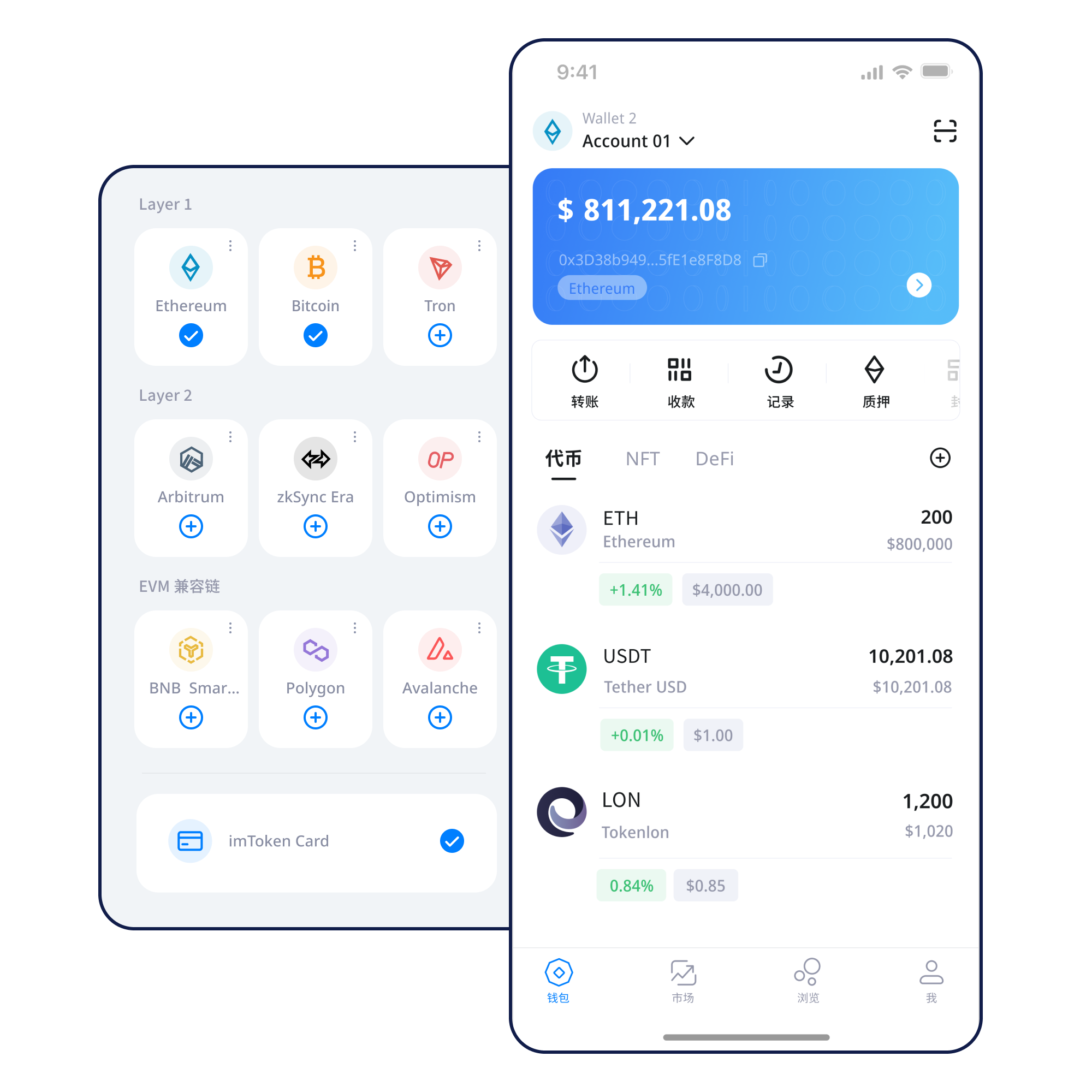
Five common tasks are organized around practical dependencies and risk, without requiring every technical term up front.
Understand the relationship between a wallet and its keys before creating one.
Open guide →Keep seed phrases and private keys offline and under your control.
Open guide →Make sure the receiving address and sender use the same network.
Open guide →Review the address, network, amount and gas before submission.
Open guide →Verify the domain, then review account, signature and approval requests.
Open guide →Assets, networks, transfers, mobile use, browser connections and security each solve a different problem and deserve different treatment.
Multi-chain assets
One wallet can present assets from multiple networks, while gas, confirmation behavior, token contracts and risk environments remain network-specific.
Send & Receive
The transaction hash becomes an important verification reference after submission.
Learn transfer checks →imtoken APP
imtoken Web
A connection only establishes a channel; approvals, signatures and transactions remain separate decisions.
Wallet security
Use a network-first view to understand addresses, gas, confirmations and cross-layer movement.
In a multi-chain environment, identify where the asset lives before choosing a network for transfers or DApp use.
Open network guide →Nodes propagate transactions, blocks record state and confirmations build confidence; block explorers help verify independently.
Open network guide →
EVM networks share account and contract concepts, but chain IDs, gas markets and asset environments still need separate checks.
Open network guide →
Layer 2 systems have explicit relationships with mainnet; bridging, arrival and exits can involve separate stages and waiting periods.
Open network guide →
Gas reflects computation cost; confirmations reflect how a transaction becomes established in blocks.
Open network guide →Use the site download entry to reach the existing download flow; content pages do not expose a final mobile target.
When creating or importing a wallet, keep recovery information inside a trusted local environment.
Store seed phrases and private keys offline; do not screenshot, send or enter them into web verification forms.
Similar address formats can appear on different networks, so verify the intended chain before sending.
Review address, network, amount and gas; a smaller test can help validate an unfamiliar route.
Use transaction hashes to verify on-chain status and periodically review approvals you no longer need.
Web3 & DApp
Connecting a wallet does not mean every signature or approval should be accepted. Review the domain, account, message, transaction and token approval separately.
Security
Seed phrases and private keys remain under the user’s control, and official staff will not ask for them. Verify the address, network and amount before transfers, and review domains, signatures and approval targets before DApp interactions. On-chain transactions can be difficult or impossible for a wallet provider to reverse, and third-party smart contracts may add risk.
Open Security Center →Academy
An address identifies an account for receiving assets, a private key signs actions, and a seed phrase can be used to recover keys. The network determines where a transaction happens, gas represents on-chain resource cost, and a transaction hash helps verify the result. In Web3, DApp connections, signatures and token approvals should be understood as different permissions.
Read Getting Started →Understand nodes, blocks and confirmations.
Learn gas, contract addresses and approvals.
Mainnet relationships, bridges and waiting stages.
Review target, allowance and purpose.
Turn terminology into practical checks.
Understand validator duties, reward sources, exits and withdrawals together with waiting, penalty, contract and market risks.
Ethereum PoS uses validators to participate in block proposal and validation. Rewards depend on network mechanics and validator state and are not fixed; exits and withdrawals may include waiting periods.
Learn about Ethereum staking →Validators can face network penalties, smart contracts can fail, digital asset prices can move and third-party services add their own risk. Participation should match the user’s own circumstances.
Understand PoS and validators →No invented dates, partnerships, funding, licenses or user metrics—only update categories that help users operate safely.
No. Seed phrases and private keys should remain under your control, and official staff will not ask for them.
On-chain transactions normally cannot be unilaterally reversed by a wallet provider. Verify address, network and amount before sending.
The address format may be the same, while assets, gas and transaction state remain network-specific.
Connection, signatures, transactions and token approvals are different actions and should be reviewed separately.
Avoid blind retries. Check congestion, pending transactions and current fees before deciding what to do.
No. Rewards can change, exits can involve waiting, and validators can be subject to network penalties.
All site download buttons lead to /download.html. Review transfer, signature and approval details before confirming.